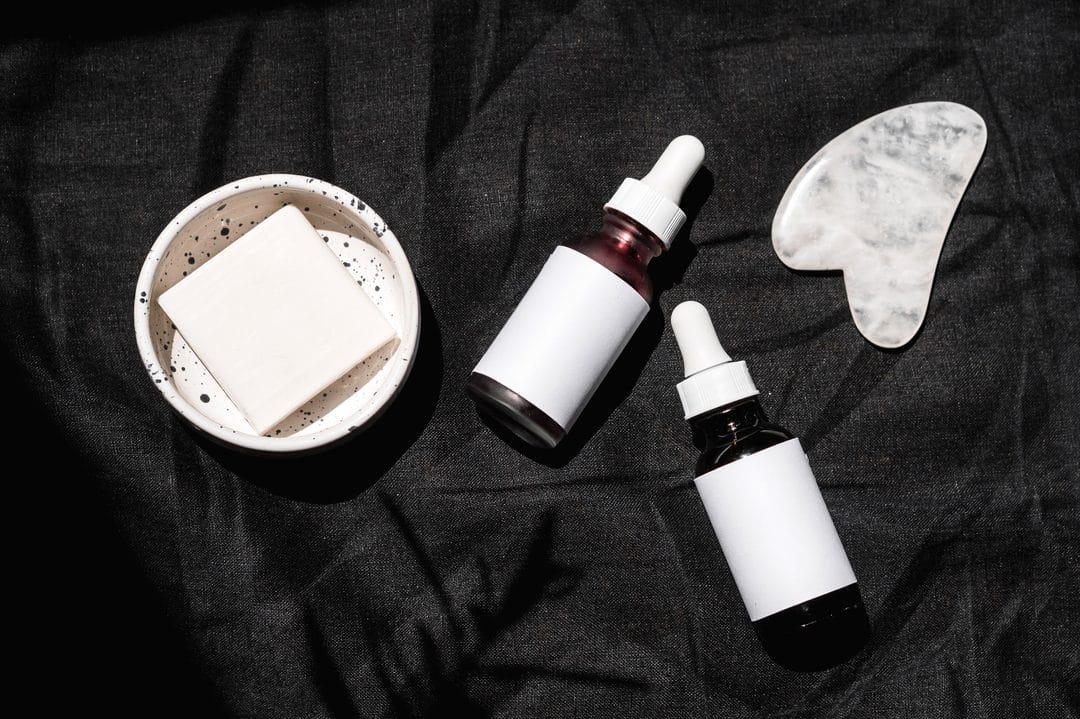
Layer a vitamin C serum under a fresh retinol cream and, by the second week, your skin will tell you — in no uncertain terms — that something in the order was wrong. Stinging, flaking, a rash that looks suspiciously like the "purging" everyone on skincare forums insists is normal but usually isn't. The products themselves weren't the problem. The sequence was.
Most skincare routines fail not because the products are wrong, but because nobody explains that order changes chemistry. A humectant applied after an oil seals nothing in. An acid applied on top of a moisturizer barely penetrates. And SPF applied before your moisturizer instead of after gets diluted into uselessness before it ever reaches the surface it's meant to protect. Get the sequence right and a £25 routine from the drugstore will outperform a £200 one applied in the wrong order.
Why the order changes what a product actually does
Skin absorbs differently depending on what's already sitting on it. Water-based, lightweight formulas need to go on first so they can reach the skin directly; oil-based and heavier formulas go on last because they create a barrier that would otherwise block anything applied afterward. This is the "thinnest to thickest" rule dermatologists cite constantly, and it holds up because it mirrors basic physics rather than marketing logic. A gel absorbs faster than a cream. A cream sits on top of a gel. There's no version of chemistry where reversing that helps.
There's a second factor that matters just as much: pH. Vitamin C serums, most exfoliating acids, and retinol all need a specific pH window to work at their labeled strength — usually somewhere between 3 and 4 for acids and vitamin C, closer to neutral for retinol. Layer a low-pH product on top of one that's already raised the skin's surface pH and the second product simply won't perform at the concentration printed on the bottle. That's the quiet reason a lot of "it just didn't work for me" reviews exist — the product was fine, the layering wasn't.
The five-step order that works for almost everyone
Ignore the 10-step routines. For most people, five steps done in the right order beat ten steps done in the wrong one.
1. Cleanse
A gentle, non-stripping cleanser — CeraVe's Hydrating Facial Cleanser at around $16 is the drugstore benchmark dermatologists reach for most often. Skip anything that leaves skin feeling tight afterward; tightness means the barrier's been stripped, not cleaned.
2. Treat
This is where serums, acids, and retinol go — while the skin is still slightly damp, which helps water-based actives absorb faster. Niacinamide, vitamin C, and hydrating serums belong here. So does retinol, but never on the same night as an exfoliating acid.
3. Moisturize
A cream or lotion locks in whatever the treatment step just delivered. This step isn't optional even for oily skin — skipping it makes oily skin produce more oil to compensate, which is the opposite of the intended effect.
4. Eye cream (optional)
If you use one, apply it before heavier face creams, not after — the skin around the eyes is thinner and absorbs more slowly, so it needs first access to whatever's in the formula.
5. SPF — mornings only
Applied last, always, over moisturizer. La Roche-Posay Anthelios Melt-in Milk SPF 60 (about $37) and EltaMD UV Clear SPF 46 (about $41) are the two most recommended broad-spectrum options among dermatologists for daily wear, and both sit fine under makeup.
Where people get the order wrong most often
Three mistakes come up again and again, and they're rarely about the products themselves.
- Applying SPF before moisturizer, which dilutes the SPF film and can cut its effective protection well below the labeled number
- Layering vitamin C in the morning and an exfoliating acid at night without a buffer day in between, which most skin simply can't tolerate long-term without irritation
- Putting retinol on top of a heavy moisturizer instead of underneath it — this is the "sandwich method" some dermatologists recommend specifically for sensitive skin, and doing it backwards defeats the entire point, since retinol needs direct contact with skin to activate properly, and sandwiching it between two layers of moisturizer instead of one on each side barely lets it touch the surface at all
Buy your retinol and your vitamin C from brands that publish their concentrations — The Ordinary lists percentages on the bottle for a reason, and that transparency is worth more than a beautifully packaged serum that won't say what's actually inside it.
Retinol, vitamin C, and the products that don't like sharing a step
Vitamin C and retinol are the two ingredients most likely to be layered incorrectly, mostly because both get marketed as "anti-aging essentials" without any explanation of how they interact. Vitamin C performs best in the morning, under SPF, where it adds a second layer of environmental protection against UV-driven free radical damage. Retinol performs best at night, because sunlight breaks it down and makes it less effective — and, in some formulations, mildly photosensitizing. Used correctly, they never actually compete for the same slot, but people still buy both, apply both in the evening, and wonder why their skin is red for a week straight. The fix isn't complicated: vitamin C goes in the AM routine, retinol goes in the PM routine, and if you only have one or the other, that's genuinely fine — you don't need both to see results. Skip retinol on the two nights a week you use an exfoliating acid instead. Skin that's actively renewing from an acid doesn't need a second active fighting for the same surface, and combining them is one of the fastest routes to a barrier that takes six weeks to calm back down.
Building the routine for morning versus night
Morning is about protection. Cleanse, treat with an antioxidant like vitamin C or niacinamide, moisturize, then SPF — no exceptions on the SPF step, even on cloudy days, even in January, even indoors near a window, since UVA penetrates glass and contributes to the same collagen breakdown UVB does outdoors.
Night is about repair. Cleanse (twice if you wore makeup or SPF — the "double cleanse" method actually earns its reputation here), treat with retinol or an acid on alternating nights, then moisturize with something slightly heavier than the daytime version, since skin loses more water overnight without the barrier of makeup or SPF sitting on top of it. A thicker night cream, a slugging layer of Vaseline for genuinely dry or flaking skin, or a ceramide-heavy formula all do real work while you're asleep, and none of them are excessive for skin that runs dry.
Combination skin is the one case worth calling out separately — because plenty of guides pretend it doesn't complicate things, and it does.
If your T-zone runs oily while your cheeks run dry, apply a lightweight gel moisturizer to the T-zone and a richer cream to the cheeks in the same step, rather than choosing one formula for the whole face and compromising on both zones. It takes an extra thirty seconds and solves a problem that a single "combination skin" product marketed as a compromise rarely does.
What actually matters more than the products
None of this works if the order gets rebuilt every time a new product shows up in a haul. Consistency for six to eight weeks — the time skin cells take to fully turn over — tells you far more about whether a routine works than switching serums every ten days ever will. Keep the order fixed, change one variable at a time, and give retinol or a new acid a full cycle before deciding it isn't working. The routine that wins isn't the one with the most steps or the most expensive bottle on the shelf. It's the one applied thinnest-to-thickest, water-based-to-oil-based, treatment-before-seal, every single day, without rearranging the order because a new product needs somewhere to go.