The sweater pilled under both arms after one winter. The tag said "dry clean only," the owner had hand-washed it twice, and the damage was done before anyone looked at the label again. That is a familiar story, and it usually starts at the store, where the tag was read too quickly or not at all. In the United States the tag is partly a federal requirement, yet most shoppers never learn what it is telling them.
What the label is required to tell you
The Federal Trade Commission's Care Labeling Rule covers textile wearing apparel and requires manufacturers and importers to provide care instructions, usually on a label, so the buyer knows how to clean the product. The rule also prohibits deceptive acts or practices that fail to disclose those instructions for regular care. It further requires terminology and symbols that accurately describe the care procedure. The FTC's rule summary lists the requirements and the symbol chart that goes with them.
That is a narrow rule with a practical payoff. The label is supposed to be a set of working instructions, not a marketing line in small print. It does not promise that the garment will hold its shape, resist pilling or keep its color after twenty washes, and most of the problems people blame on the label come from that gap. If an instruction seems wrong for the fabric, ask the retailer what the maker recommends before you wash.
Fiber content is a separate label
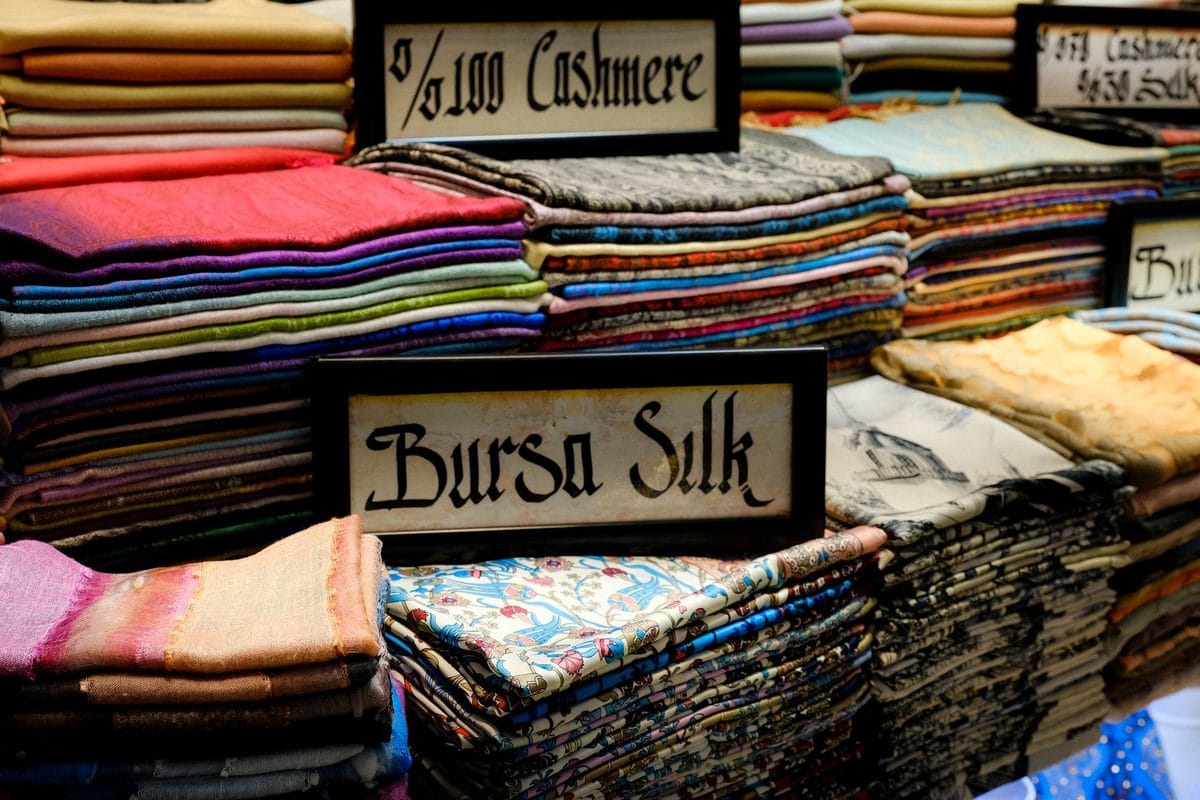
The care line is only half the tag. The FTC also enforces separate rules for fiber content and country of origin, so the same label that gives washing instructions should list the fibers in the garment. Read the fiber percentages before the care line. A 100% cashmere knit and a wool-and-nylon blend need different expectations for softness, warmth and how they age, and the percentages tell you which one you are holding.
Reading the symbols without a chart
The symbols follow a standard set, and the FTC's materials point to an ASTM care-symbol chart for anyone who wants the full list. You do not need the full list to shop well. A few symbols cover most garments: a washtub with a hand in it means hand wash, a circle with a P means professional dry clean, a circle with a W means professional wet clean, a triangle with an X means do not bleach, and a square with an X means do not tumble dry.
"Dry clean only" is a strong instruction, and a careful shopper treats it as one. Sweaters with that label are often sold as luxury knits, so the instruction can look like a sign of quality. What it really tells you is that the maker expects a professional to handle the cleaning. A circle with a W points to a gentler professional option that some cleaners offer, so ask about wet cleaning before you rule out a dry cleaner. If you plan to hand wash the sweater, decide that before you buy it, not after the first bad wash.
What the label leaves out
The care label tells you how to clean a sweater, but not how well it will hold up. Pilling depends on fiber length, yarn construction and the friction the garment meets in daily life, so two cashmere sweaters with identical care labels can age very differently. Shorter fibers tend to work loose and form pills, while longer, finer fibers generally keep a smoother surface. Cashmere is the fine undercoat of goats, and each animal yields only a small amount of usable fiber, which is one reason good cashmere costs more than the label suggests. Merino is finer than standard wool and tends to feel softer, but fine fibers also need gentler handling. A tightly spun, plied yarn usually holds its surface better than a loose single strand, and that difference is easy to feel in the store. Friction from bag straps, coat sleeves and car seatbelts does more visible damage than most washing does. That is why the same sweater can look tired by March in one wardrobe and fine in another.
Buy the sweater, not the label. Rub the fabric between your fingers in the store, and look at the surface under good light for short fibers rising from a tight knit. If the fabric already feels fuzzy on the shelf, expect pilling within a season. Pass on any garment that needs a delicate cycle or a dry cleaner, unless you are truly prepared to follow that instruction every time.
Washing without wrecking the knit
Hand wash in cool water, in a basin, with a wool-safe detergent. Eucalan, a wool wash sold online and in many stores, is a sensible choice for a knit you want to keep. Press the water through the fabric instead of wringing it, because wringing stretches the shoulders and distorts the neck. Never hang a wet knit, since its weight pulls the shoulders out of shape.
Lay the sweater flat on a towel, roll gently to remove most of the water, and reshape it by hand. Dry it flat in a cool room, away from radiators and direct sun, which can stiffen and yellow the fibers. A heater vent is a bad drying spot, and so is the top of a washing machine in a warm laundry room. Patience costs nothing, and a knit dried flat in a cool room keeps its shape far longer than one rushed into a dryer.
How often a knit really needs washing
Most knits need washing less often than people think. Airing a sweater outside the closet for a day after wear lets the fibers recover and removes odor without water. Spot-clean small marks with a damp cloth and a drop of wool wash, instead of washing the whole garment for one coffee stain. Let each sweater rest for a day or two between wears, because fibers that are constantly rubbed and reshaped pill faster. Wash only when the garment really smells or looks dirty, and keep a fabric shaver for the surface pills that build up over a season. Less washing is usually the single biggest improvement a knit owner can make.
Storing knits between seasons
Store knits folded, not hung, in breathable bags or bins, because hanging stretches the shoulders over a season. Clean each sweater before it goes into storage, since moths are drawn to body oils and food residue left in the fabric. Cedar blocks and lavender sachets can deter moths, but they are not a guarantee, so check the folds in spring. Wool moths are a real risk for wool and cashmere in closets that are not sealed. A battery-powered sweater shaver removes surface pills in a few passes, though it also removes some fibers, so use it lightly. Write the storage date and the contents on the bin so you know what is inside next year.
A pre-purchase checklist
Run through these before you pay, in roughly this order:
- Read the care label and decide honestly whether you will follow it for the next three years.
- Check the fiber content, since cashmere, merino and wool blends behave differently in washing and wear.
- Look at the surface under good light for loose fibers or early pills.
- Compare the price with the material, because a higher price is not always a better knit. Cashmere crewnecks from mid-market brands such as Uniqlo and J.Crew typically run from around $80 to $200, while premium makers charge more.
- Count how many times you will wear it in a month, and what it will sit under.
The label is the first fitting
Treat the care label as the first fitting you do, before the mirror and before the price tag. A sweater you will hand wash is a sweater you should be willing to hand wash, and a garment that demands a dry cleaner every time is a different commitment. Know which one you are buying. The tag already told you, and the only thing left to decide is whether you will listen.